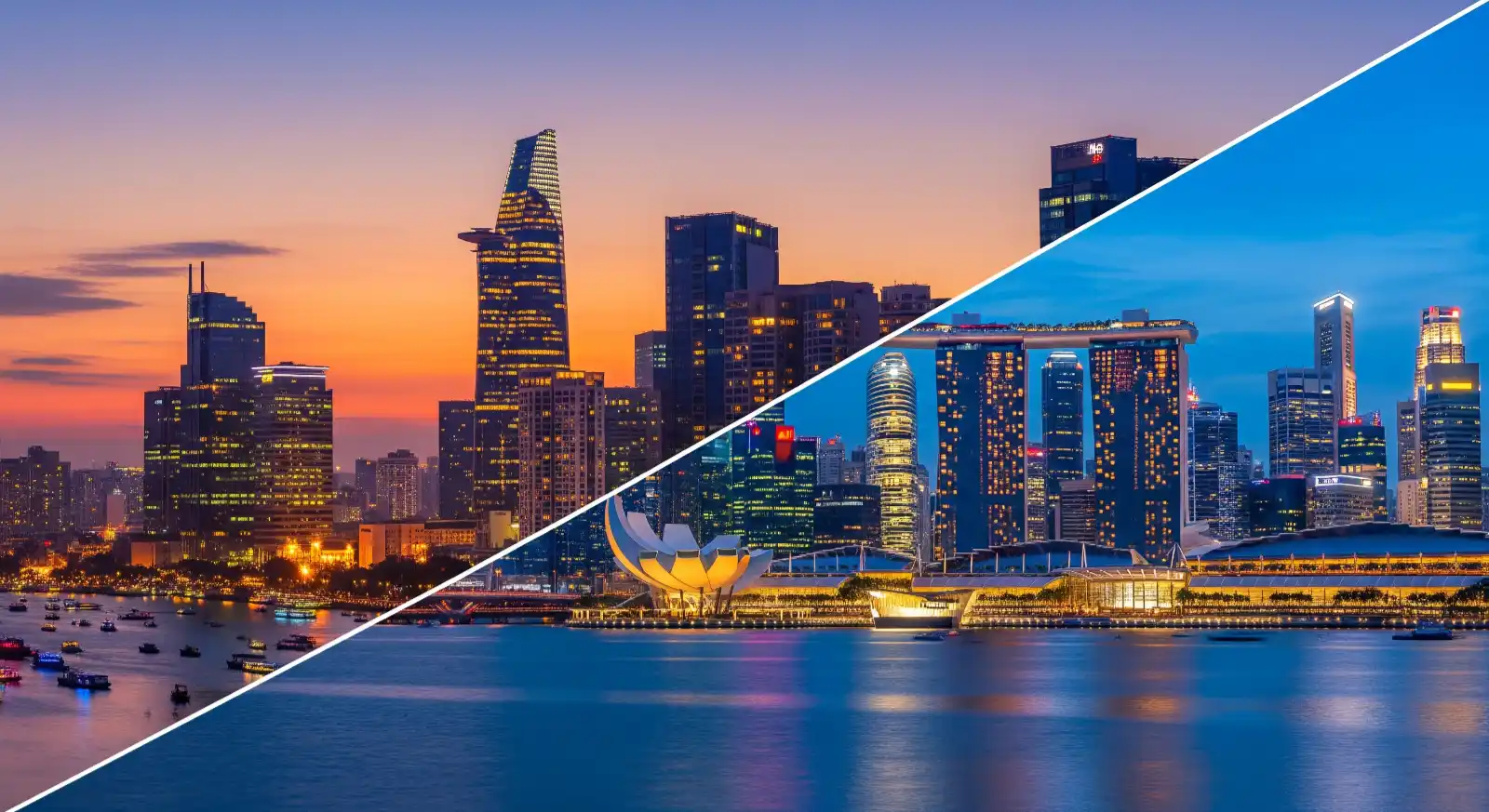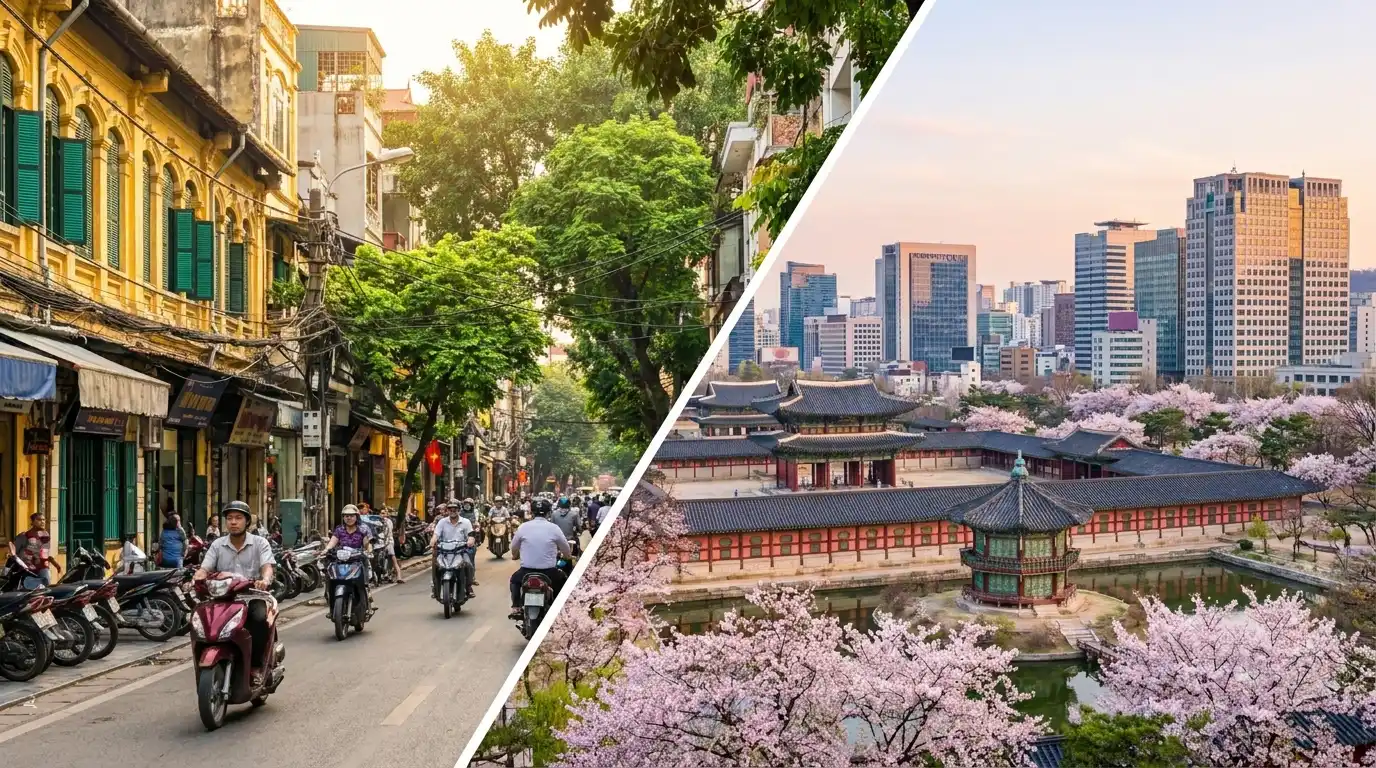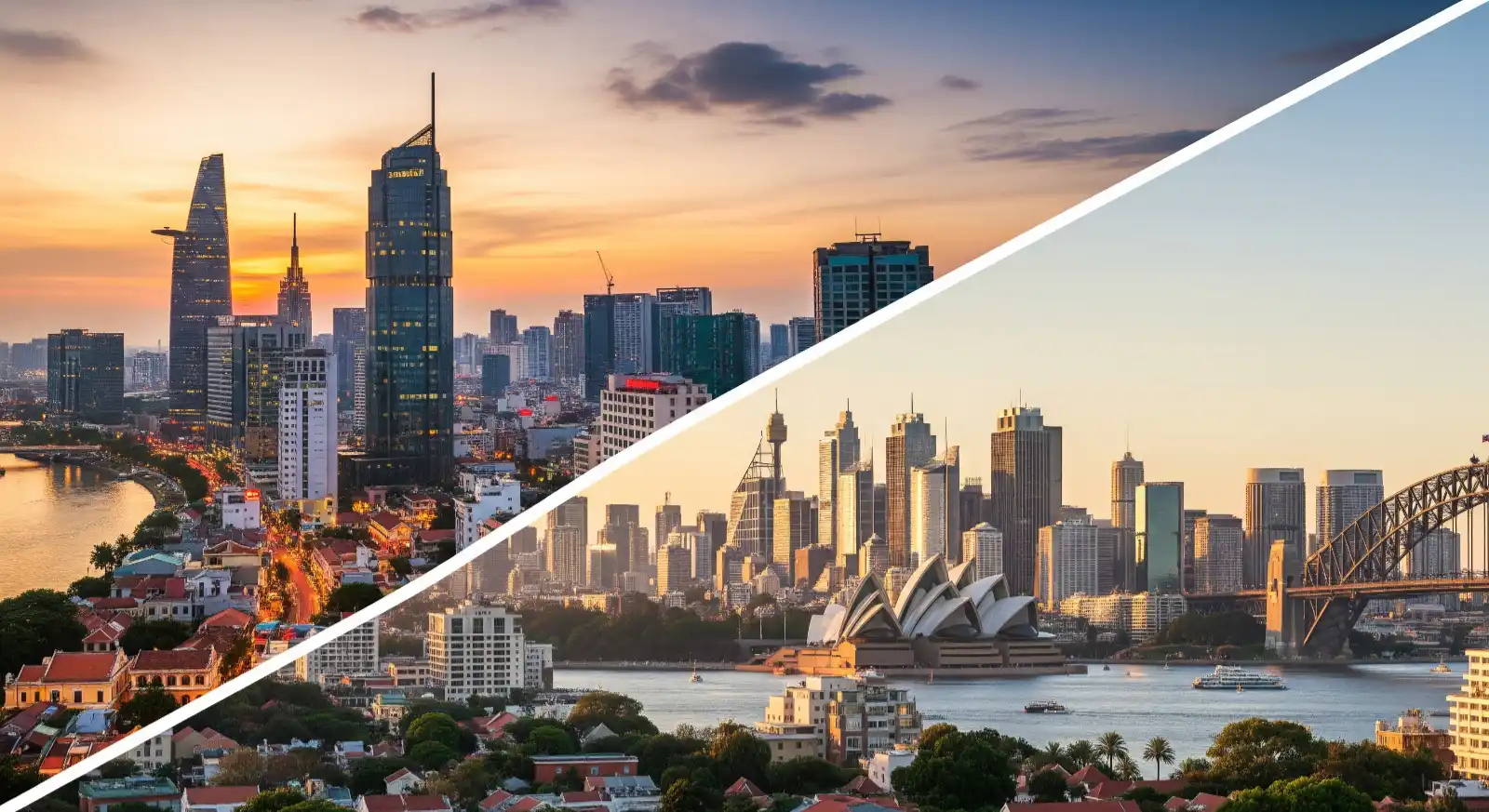
Australian hair transplant prices run AUD $10,000–$22,000 for a typical procedure. The same surgery in Vietnam costs a fraction of that — but is the value real? Here's an honest comparison of cost, quality, and the patient experience.
Hair transplant surgery has become significantly more accessible globally over the past decade except in Australia, where it remains one of the most expensive medical procedures patients pay for out of pocket. A standard 2,000-graft FUE procedure in Sydney or Melbourne typically costs between AUD $10,000 and $18,000. The same procedure, performed by an internationally trained surgeon in Ho Chi Minh City or Hanoi, costs roughly AUD $2,500 to $5,500 even after factoring in flights, accommodation, and the full trip experience.
For an increasing number of Australian men, that cost gap is too significant to ignore. But cost alone doesn't decide a permanent decision like this. This guide compares Australia and Vietnam honestly across the factors that actually matter — medical quality, surgeon expertise, the trip experience, recovery, and follow-up — including the cases where staying in Australia is genuinely the better choice.
The Australian Hair Transplant Landscape
Australia has a strong, well-regulated hair restoration industry. Clinics in Sydney, Melbourne, Brisbane, and Perth offer the full range of modern techniques, operate under AHPRA (Australian Health Practitioner Regulation Agency) and TGA (Therapeutic Goods Administration) standards, and employ qualified medical practitioners. Australian medical regulation is among the strictest in the world.
The trade-off is cost. High labour and operating expenses, strict regulatory overhead, mandatory insurance, and limited competition mean Australian hair transplant prices have remained stubbornly high. As of 2026, typical Australian pricing for a 2,000-graft procedure looks like this:
- FUE: AUD $10,000 – $18,000
- DHI: AUD $13,000 – $22,000
- FUT: AUD $7,000 – $14,000
Larger procedures (3,000–4,000+ grafts) commonly exceed AUD $25,000. Most Australian clinics offer payment plans, but the underlying price doesn't change. Patients are simply spreading a large sum over time, often with interest.
Cost Comparison: Vietnam vs Australia
Vietnamese hair transplant clinics typically charge between AUD $2,500 and $5,500 for a comparable 2,000-graft procedure, often including pre-operative consultations, post-operative medications, and an aftercare kit. Many clinics also offer all-inclusive packages bundling accommodation, airport transfers, and an English-speaking patient coordinator.
Even accounting for the full trip cost, the math is dramatic:
| Cost item | Australia | Vietnam |
|---|---|---|
| Procedure (2,000 grafts FUE) | AUD $10,000 – $18,000 | AUD $2,500 – $5,500 |
| Flights from Sydney/Melbourne | — | AUD $600 – $1,200 |
| Hotel (7 nights, mid-range) | — | AUD $400 – $900 |
| Meals & local transport | — | AUD $200 – $400 |
| All-in total | AUD $10,000 – $18,000 | AUD $3,700 – $8,000 |
For most Australian patients, the all-in trip to Vietnam costs less than half — often less than a third — of the procedure alone at home. For larger procedures (4,000+ grafts), the savings become even more dramatic, and many patients use the difference to fund a proper holiday around their recovery.
Quality and Medical Standards
This is where many Australians hesitate, and rightly so. Quality should never be assumed when you're leaving one of the world's most regulated medical systems. Here's an honest look at how the two compare.
Australia operates under one of the most stringent medical regulatory frameworks globally. Surgeons must be AHPRA-registered, clinics are TGA-regulated, and complaints procedures are well-established. For complex cases or patients with significant medical comorbidities, this regulatory environment offers genuine peace of mind that's worth paying for.
Vietnam has been quietly building a sophisticated hair restoration sector over the past decade. Top clinics in Ho Chi Minh City and Hanoi are licensed by Vietnam's Ministry of Health, with lead surgeons holding international credentials, many trained in South Korea, Japan, the United States, or Europe. The leading clinics hold International Society of Hair Restoration Surgery (ISHRS) memberships, the same professional body most Australian hair restoration surgeons belong to.
The honest distinction isn't quality at the top end — it's variance. In Australia, the regulatory floor is high, so even mid-tier clinics meet a baseline standard. In Vietnam, the gap between premium and budget clinics is much wider, which is precisely why clinic selection matters more when traveling abroad. A vetted Vietnamese clinic operating at the top of the market is genuinely comparable to a quality Australian clinic — but the unvetted bottom end is a different category of risk entirely.
This is why we don't list every clinic that approaches us. Read about how we vet clinics →
Surgeon-Led vs Technician-Led: The Question That Matters Most
In both Australia and Vietnam, the single biggest factor determining outcomes is whether your procedure is genuinely surgeon-performed or quietly delegated to technicians. This is true regardless of country.
Top Australian clinics typically have the surgeon perform most or all of the procedure. The same is true at the leading Vietnamese clinics we partner with — surgeon-led work, fewer cases per day, longer time per patient. The risk on both sides comes from high-volume operations where technicians do the bulk of the work under loose supervision. We cover this in detail in Surgeon-Led vs Technician-Led Hair Transplants →
Techniques Offered
Both Australian and Vietnamese clinics offer the modern range of procedures:
- FUE (Follicular Unit Extraction) — the most common minimally invasive technique
- DHI (Direct Hair Implantation) — using Choi implanter pens for precise placement
- FUT (Follicular Unit Transplantation) — the older strip method, still useful in specific cases
- Sapphire FUE — using sapphire blades for cleaner incisions
- Beard and eyebrow transplants — both countries offer these
Technology and equipment are largely identical at the top end. Premium Vietnamese clinics invest in the same systems and instruments as their Australian counterparts — the difference is the underlying cost structure, not the tools.
The Trip and Recovery Experience
This is where Vietnam offers something Australia structurally cannot: the procedure embedded in a recovery experience that feels less like surgery and more like a holiday with a medical purpose.
Flight time from Sydney or Melbourne to Ho Chi Minh City is roughly 8–9 hours direct — a single flight, no layovers. From Brisbane it's about 8 hours; Perth is closer at 6–7 hours. Direct flights are operated by Vietnam Airlines, Qantas, and Jetstar.
Time zone difference is just 3 hours behind Sydney/Melbourne, which means minimal jet lag compared to flying to Turkey (10+ hours of time shift) or the US/UK for the procedure.
Visa requirements are straightforward — Australian passport holders can apply for an e-visa online quickly, and shorter stays may qualify for visa exemption depending on length and entry point. Always check current Vietnamese immigration requirements before booking, as rules update periodically.
The recovery environment in Vietnam is genuinely well-suited to post-procedure rest. Ho Chi Minh City and Hanoi offer modern hotels, excellent English-speaking medical and hospitality services, world-class food, and affordable spa and aftercare services. Patients commonly extend their trip to recover on the coast — Hoi An, Phu Quoc, or Nha Trang — turning a 7–10 day medical trip into a memorable holiday at prices that still keep total cost well below an Australian procedure alone.
Recovery before flying home typically requires 5–7 days post-procedure before air travel is comfortable. Most patients fly home 7–10 days after surgery, which aligns naturally with a standard Australian holiday duration. For a full breakdown, see our guide to planning your hair transplant trip →
Aftercare and Follow-Up
This is the question Australian patients ask most often: what happens if something doesn't look right after I'm home?
Reputable Vietnamese clinics — including all those in our network — provide structured 12-month follow-up programs delivered by video consultation, with clear protocols for what's normal at each recovery stage and what warrants attention. English-language support is standard.
For genuine post-operative concerns requiring in-person assessment, Australian dermatologists and GPs can provide local care, and the Vietnamese clinic remains accessible by video for diagnosis and guidance. In our experience, the structured follow-up many Vietnamese clinics offer is actually more proactive than the "call if you need anything" model common at some Australian clinics.
That said, this is one area where complex cases genuinely benefit from in-country care — which is why the next section matters.
When Australia Is Genuinely the Better Choice
We're a Vietnam-focused guide, but we'd rather give you an honest answer than a sales pitch. Stay in Australia if:
- You have significant medical comorbidities — uncontrolled diabetes, immunosuppression, complex cardiovascular conditions — that warrant easy access to your treating doctors
- You're a revision case following a previous problematic transplant; revisions benefit from in-person, ongoing assessment
- You cannot travel for medical, family, or work reasons that make a 10-day overseas trip impractical
- You have a strong existing relationship with a specific Australian surgeon you've already consulted and trust
- You fundamentally don't want a holiday component to your medical care
For most healthy adult patients undergoing a first hair transplant, Vietnam offers an honest alternative that delivers comparable surgical results at a fraction of the cost.
Final Thoughts
The hair transplant cost gap between Australia and Vietnam is the largest of any developed-country comparison — substantially larger than the gap to Turkey or Thailand. For the right patient, that gap represents one of the most cost-effective medical decisions available in cosmetic surgery globally.
The decision shouldn't be price alone. But for healthy adults with realistic goals, a properly vetted Vietnamese clinic offers genuine equivalence to Australian quality at roughly 25–35% of the all-in cost. The combination — quality care, comparable surgical outcomes, a restorative trip, and savings significant enough to matter — is why we see more Australian patients each year.
If you're considering Vietnam, the most important step isn't booking — it's getting an honest surgical assessment from a clinic that has actually been vetted.
Ready to Explore Your Options?
Get a free consultation and personalized quote from vetted Vietnamese clinics. Tell us about your hair loss in 2 minutes — your details only go to clinics that meet our standards.