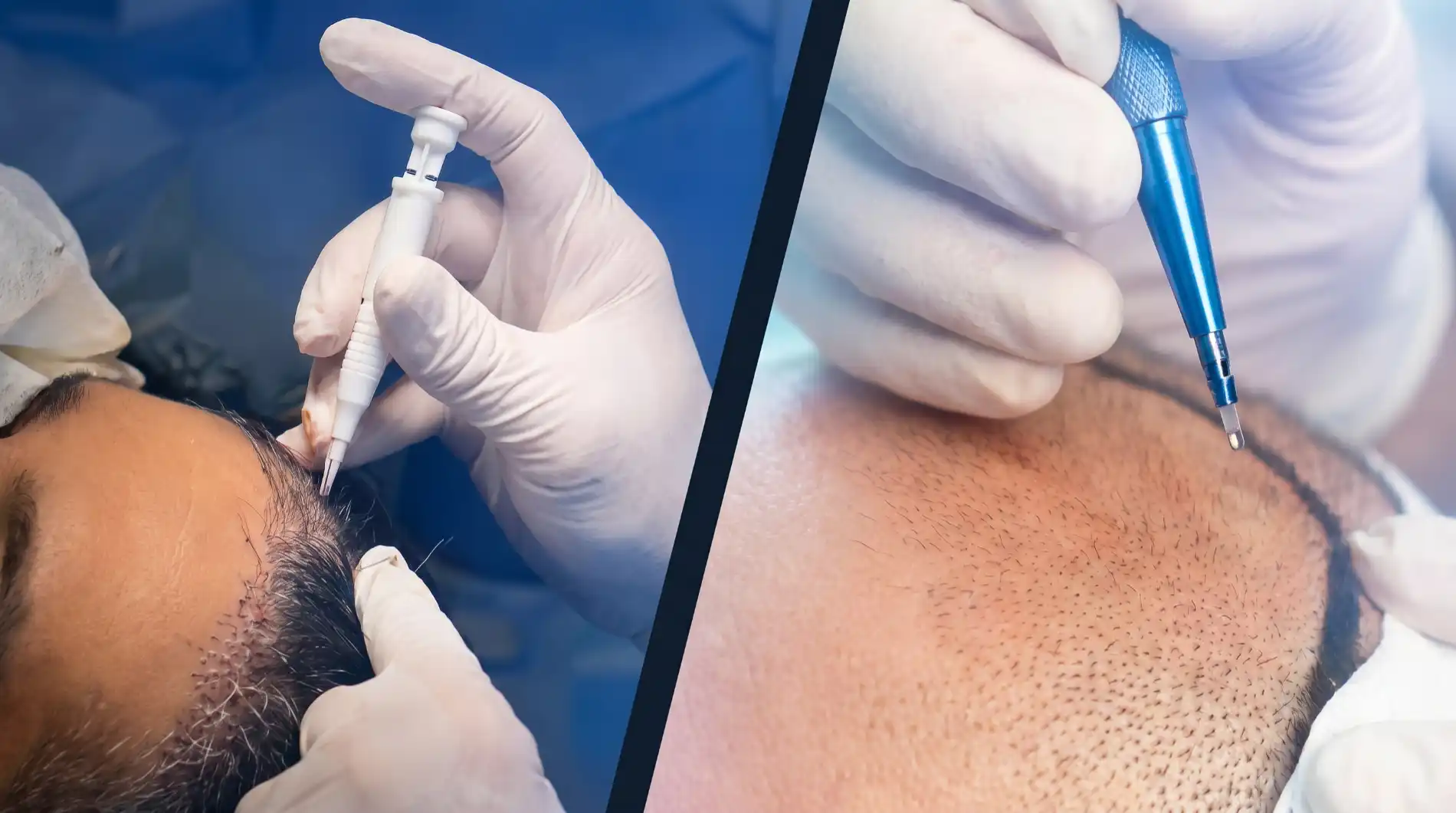
Planning a hair transplant trip to Vietnam? This guide covers everything you need to know for a smooth experience.
Vietnam has quietly become one of Asia's most attractive destinations for hair restoration — offering internationally trained surgeons, modern clinics, and prices that are a fraction of what you'd pay in the US, UK, or Australia, all wrapped in a country that happens to be one of the most rewarding places in the world to spend a week or two. But a hair transplant isn't a typical holiday, and the trip benefits from a bit of planning. Here's everything you need to think about before you book.
Build Your Trip Around the Recovery, Not the Surgery
Before you touch flights or hotels, get your surgery date pinned down with your clinic. Most patients do best with a minimum 7-night stay: arrive the day before your consultation and procedure, recover in Vietnam for at least 5–7 days under clinic supervision, then fly home — or stay longer for a relaxed post-op vacation. Shorter trips are possible for regional patients, but international travelers should give themselves breathing room in case of swelling, a follow-up wash, or simply wanting to rest.
Arriving the night before your surgery is non-negotiable. Flying direct from the airport to the operating chair is a recipe for exhaustion and compromised healing. Treat your first night in Vietnam as a buffer — eat well, hydrate, sleep.
Visa and Entry Requirements
Vietnam's visa situation has become dramatically easier in recent years, and for most nationalities, the process is entirely online.
The e-visa option. Vietnam now offers an electronic visa to citizens of virtually every country. It's valid for up to 90 days as either a single- or multiple-entry visa, costs USD 25 (single entry) or USD 50 (multiple entry), and takes about 3–5 working days to process. Apply only through the official government portal at evisa.gov.vn — avoid lookalike sites that charge hefty markups. You'll need a scan of your passport bio page, a 4x6 cm white-background photo in .jpg format, and a credit or debit card. Print the approved e-visa before you fly; airlines and Vietnamese immigration will ask for a physical copy, not a phone screen.
Visa exemptions. If you hold a passport from the UK, Germany, France, Italy, Spain, the Nordic countries, Russia, Japan, or South Korea (among others), you can enter visa-free for up to 45 days — more than enough for a transplant trip. Check the current exemption list before assuming you qualify, as policies have been expanding.
Passport validity. Your passport must be valid for at least six months beyond your planned exit date, and have at least two blank pages. This catches a lot of travelers off guard — check now, not the week before you fly.
Port of entry. Vietnam's e-visa is accepted at 83 land, sea, and air entry points. If you're flying into Hanoi (Noi Bai), Ho Chi Minh City (Tan Son Nhat), or Da Nang — the three main international airports where most hair transplant patients land — you're covered.
Flights and Arrival
All three major cities have direct connections to regional hubs like Singapore, Bangkok, Hong Kong, Seoul, and Tokyo, plus growing direct service from Europe, Australia, and the US. Pick your flight based on where your clinic is located. Book a morning or early-afternoon arrival if you can — it gives you a full evening to settle in before surgery day.
Critically, don't book your return flight too tight. Short-haul flights (under six hours) are generally safe after a few days, but most surgeons advise waiting at least 7 days before flying internationally and up to 14 days for long-haul flights — cabin pressure, dry air, and crowded cabins can all interfere with graft healing and swelling. Talk to your surgeon about timing before you ticket.
Transportation: Download Grab Before You Land
Vietnam runs on Grab — the Southeast Asian equivalent of Uber. It's by far the simplest way to get around for foreign visitors, works in all major cities, and accepts credit cards or cash. Download it before you fly, register with your home phone number, and have it ready when you land. Grab offers cars, motorbikes (skip these after surgery), and food delivery (GrabFood), which will become your best friend when you're camped in your hotel room on day three.
For your arrival and post-surgery logistics, though, use the clinic's transport service. Most reputable hair transplant clinics in Vietnam offer airport pickup and scheduled transfers for consultations, the surgery itself, and follow-up washes. Ask when you book — it's often included or offered at a minor fee. A clinic driver knows exactly how to handle a freshly post-op patient: no sudden braking, no loud music, no asking you to duck your head getting into the car.
Taxis are widely available but prone to overcharging tourists. Stick to Grab or clinic transfers, and avoid scooter-share services entirely until your scalp has healed.
Where to Stay
Stay close to your clinic. You'll be making multiple visits for consultation, surgery, and post-op washes, and long transfers across a hot, traffic-choked city are miserable when your scalp is tender.
Most major clinics cluster in central districts: District 1 or 3 in Ho Chi Minh City, the Hoan Kiem or Ba Dinh districts in Hanoi, and the beachfront My Khe area or downtown Hai Chau in Da Nang. A mid-range hotel in these areas runs USD 40–80 per night; a four-star hotel USD 80–150. Apartment-style hotels and serviced apartments are ideal if you want a kitchenette, laundry, and quiet.
Look for: blackout curtains, a reclining option or extra pillows (you'll need to sleep with your head elevated for the first week), reliable air conditioning, on-site laundry, and — crucially — an elevator. Walking up six flights of stairs two days after surgery is not what you want.
The Post-Surgery Vacation: What's Realistic
Vietnam rewards patient travelers, and the right post-op itinerary can turn your transplant trip into a genuine holiday. But be realistic about what your scalp can handle.
The first 7–10 days are for rest, gentle walks, air-conditioned cafés, rooftop dinners, and short taxi rides to see the sights. Avoid direct sun on your scalp, heavy sweating, swimming, saunas, alcohol, and dusty motorbike rides. A loose-fitting hat is essential after day 10 or so — before that, nothing should touch your grafts.
From roughly day 10 onwards, you can start to enjoy Vietnam more actively. Good post-recovery itineraries include:
Hoi An — a perfect low-key base for the second week. Walkable old town, great food, tailor shops, and quiet beaches. Drive from Da Nang.
- Ninh Binh — stunning limestone landscapes a couple of hours from Hanoi. Gentle boat rides, no strenuous hiking required.
- The Mekong Delta — calm river cruises from Ho Chi Minh City, easy on the body.
Skip Ha Long Bay's overnight cruises, trekking in Sapa, motorbike tours of the Ha Giang loop, and anything involving waterfalls or swimming until you've passed the 3–4 week mark.
Healthcare and Safety
Vietnam's major cities have excellent international-standard medical facilities. Reputable options include Vinmec hospitals (nationwide), FV Hospital in Ho Chi Minh City, and Hanoi French Hospital. Your clinic will give you a 24/7 emergency contact, but it's smart to save the address of the nearest international hospital in your phone before surgery.
Travel insurance that covers medical emergencies is strongly recommended. Standard pharmacies are everywhere and well-stocked, though bring any specific medications from home. Tap water isn't drinkable — stick to bottled or filtered.
Practical Essentials
SIM card: Grab a Viettel or Vinaphone tourist SIM at the airport for around $10 USD — generous data, great coverage.
Cash: Vietnam uses the dong (VND). ATMs are plentiful; withdraw in the city rather than the airport for better rates. Many restaurants and clinics accept credit cards.
- Language: English is widely spoken in tourist areas and at international clinics, but learn a few phrases for taxis and smaller restaurants.
- Weather: Vietnam's north and south have very different climates. Avoid the hottest months (April–June in the south, June–August in the north) if you burn easily — sun exposure post-transplant is genuinely risky.
A Quick Packing List
Loose button-down shirts (you can't pull anything over your head for a week), a soft brimmed hat for after day 10, a travel pillow, your prescribed medications, sunscreen for your face (not scalp, for two weeks), a reusable water bottle, and printed copies of your e-visa and clinic confirmation.
Vietnam offers an extraordinary combination of medical quality, affordability, and travel experience — but the difference between a great trip and a stressful one is almost entirely in the planning. Get the visa sorted early, pick a hotel next to your clinic, download Grab, listen to your surgeon about flights home, and build in enough recovery time before you ask your body to do anything exciting. Do that, and you'll come home with more than just new hair.
Ready to start planning? Contact our team for a personalized consultation and trip itinerary.